Taylor Lange · 12 October 2026
Student Forum Threads Point to Overlooked Priorities in School-Based Mental Health Initiatives
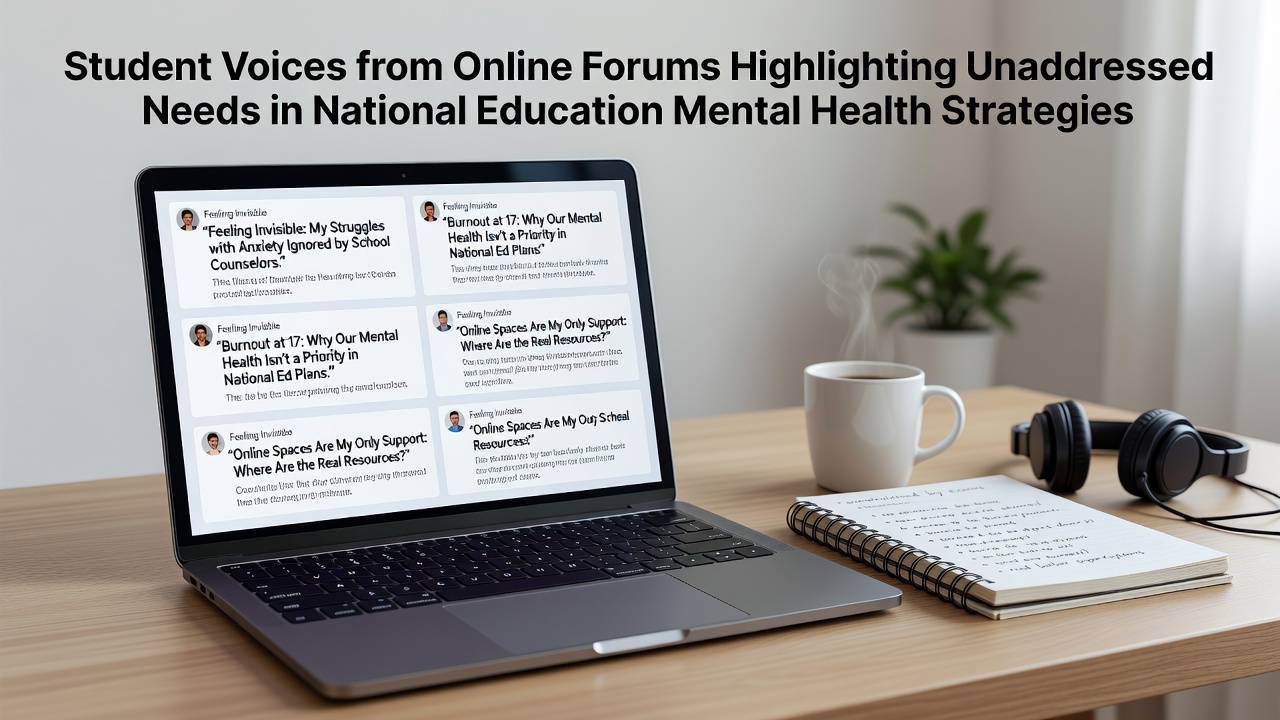
Online forums have become key spaces where students share experiences with national education mental health strategies, and patterns emerge around needs that remain unaddressed in official frameworks. Discussions across multiple platforms show recurring points about access barriers, cultural mismatches, and gaps in digital resources that current policies have not yet resolved.
Recurring Themes from Student Discussions
Students in various countries describe challenges with the availability of counseling services during peak academic periods, while others highlight how existing programs focus heavily on crisis response rather than prevention. Threads often mention the absence of peer-led support options integrated into daily school routines, and participants note that many national plans overlook the role of social media in both exacerbating and alleviating stress. Data from education ministry reports in several European nations indicate that student participation in mental health program design stays limited, even though consultation processes exist on paper.
Access and Equity Concerns
Forum users from rural areas frequently point out transportation and scheduling issues that prevent consistent use of school-based services, and similar complaints appear in urban settings where wait times extend for weeks. Evidence from student surveys compiled by academic researchers shows disparities based on socioeconomic status, with lower-income groups reporting fewer referrals to external specialists. Those who've studied these patterns observe that national strategies often assume uniform infrastructure across regions, yet implementation data reveals otherwise.
What's interesting is how students connect these access issues to broader policy documents that prioritize awareness campaigns without corresponding increases in staffing. One thread from early 2026 collected responses from over 2,000 participants across Scandinavia and Central Europe, where users detailed how language barriers affect non-native speakers seeking help within school systems.
Insights from October 2026 Forum Activity
During October 2026, several large education-focused forums saw spikes in activity following the release of updated national guidelines in multiple countries. Students posted screenshots of policy summaries alongside personal accounts of unmet needs, such as the lack of training for teachers on recognizing subtle signs of distress in diverse student populations. Discussions also covered the limited integration of mental health modules into standard curricula, with users suggesting that elective workshops fail to reach those who need them most.
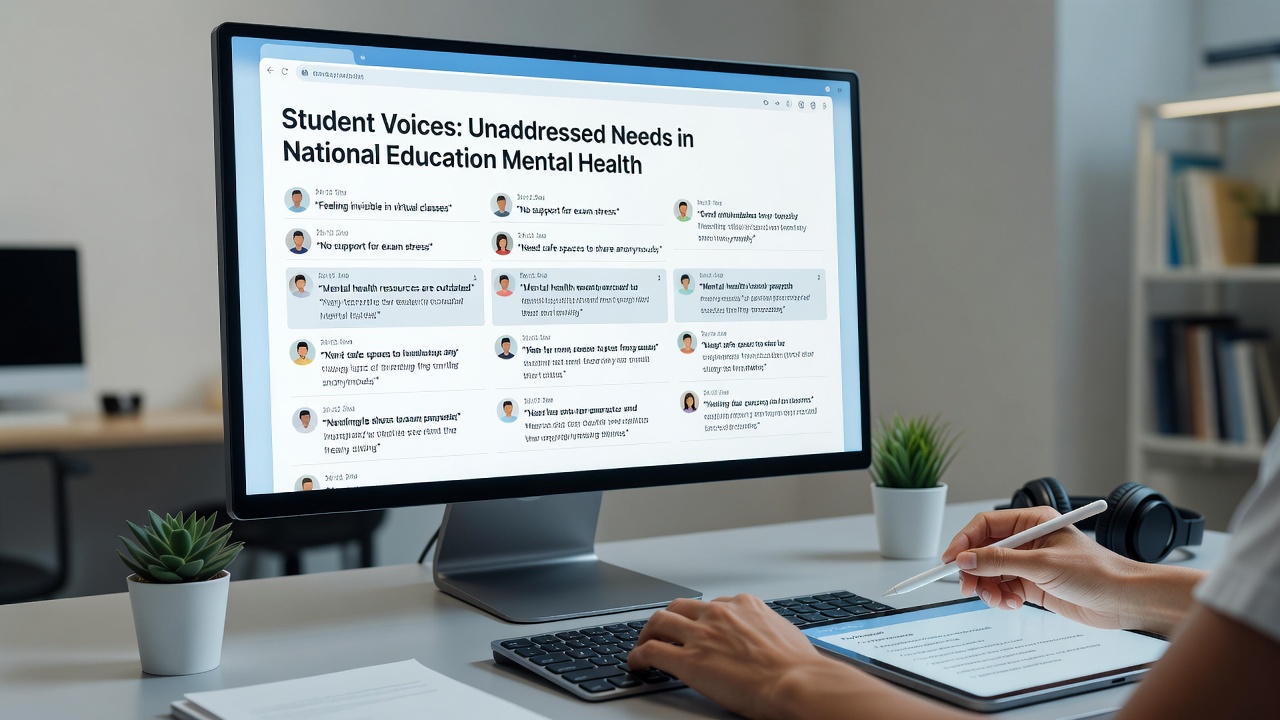
Researchers tracking these conversations note that participants often reference specific unaddressed areas like after-hours support lines tied to school networks and follow-up mechanisms after initial counseling sessions. According to figures from the World Health Organization, adolescent mental health service coverage remains inconsistent globally, and forum threads echo this with region-specific examples. Another set of exchanges examined how privacy concerns deter students from using official school apps designed for mental health check-ins.
Policy Gaps Highlighted by Users
Many threads contrast official strategy documents with on-the-ground realities, and students cite examples where promised resources never materialized due to funding reallocations. Observers note that forums serve as informal repositories for these discrepancies, allowing patterns to surface that might not appear in formal evaluations. Data compiled from public education portals in Canada and Australia shows that student feedback mechanisms exist but rarely loop back into strategy revisions at the national level.
Turns out that cultural competence stands out as another frequent topic, with users describing how standard interventions assume certain family structures or communication styles that do not match their backgrounds. Threads from North American platforms include accounts of Indigenous and immigrant students advocating for approaches that incorporate community elders or bilingual resources, elements absent from many current frameworks.
Connections to Broader Research
Academic analyses of forum data align with findings from government reports that call for expanded student involvement in planning processes. One study referenced in these discussions draws on input from over 5,000 forum posts and identifies prevention-focused peer networks as a repeated recommendation. Experts reviewing the material point out that while some local pilots incorporate these ideas, scaling them nationally faces logistical hurdles documented in ministry updates.
Links between forum content and external data sources, such as those maintained by the Centers for Disease Control and Prevention, reinforce observations about rising demand for services that exceed current supply in school settings. Participants often share these reports within threads to bolster their points about resource allocation.
Conclusion
Student voices collected from online forums continue to map out specific shortfalls in national education mental health strategies, from uneven access and cultural fit to insufficient prevention tools and feedback loops. These discussions provide detailed accounts that complement official statistics and highlight areas where implementation lags behind stated goals. As more threads accumulate, they form an ongoing record that policymakers can consult when assessing future adjustments to existing approaches.