Ines Otto · 26 October 2026
Regional Networks Drive Breathwork Techniques into Polish Teacher Preparation Programs
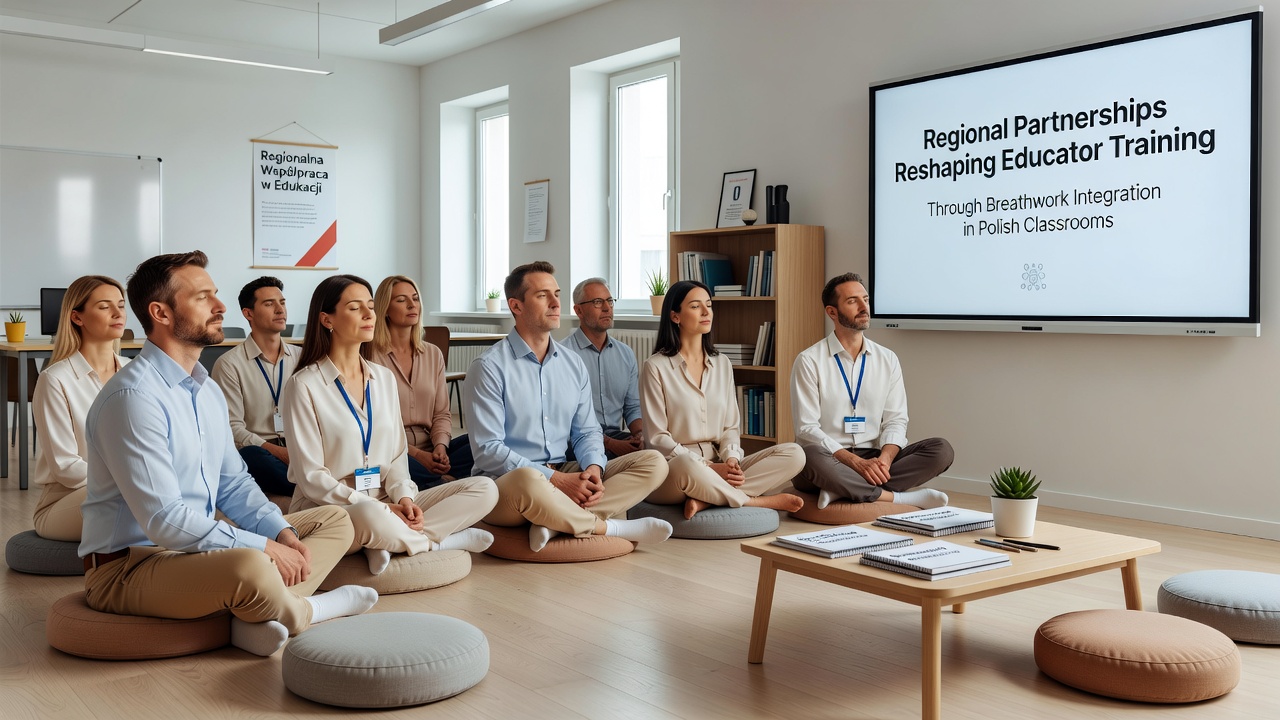
Regional partnerships across Poland have begun integrating breathwork practices into educator training programs, and these collaborations connect local school districts with universities along with health organizations to standardize methods that support classroom focus and emotional regulation. Data from several voivodeships indicate growing adoption rates since 2023, with programs emphasizing controlled breathing sequences that educators learn during multi-day workshops before applying them with students.
Structure of Current Regional Alliances
Partnerships typically form between municipal education offices, teacher training centers, and academic institutions such as those in Kraków and Poznań, while these groups coordinate curriculum modules that include diaphragmatic breathing, alternate nostril techniques, and short guided sequences lasting three to five minutes. Training sessions occur quarterly, and participants receive certification after demonstrating proficiency in delivery methods tailored to different age groups from primary through secondary levels.
One alliance operating in the Silesian region links three universities with fifteen school districts, and this setup allows shared resources including video libraries plus observation protocols that track implementation fidelity. Figures released by the Polish Ministry of Education show over 2,400 educators completed such modules in the 2024-2025 academic year.
Breathwork Content in Training Curricula
Courses cover physiological mechanisms behind breath regulation, including effects on heart rate variability and cortisol levels, while instructors draw from research conducted by European universities. Sessions incorporate case examples where teachers adapted exercises for groups of twenty-five students during transitions between lessons, and participants practice peer feedback to refine delivery timing and language.
Materials reference findings from the OECD Education Working Papers series on social-emotional learning, and trainers adapt content to align with Poland's core curriculum requirements for well-being competencies. External evaluation from the European Commission's education directorate notes that integrated programs report higher consistency in daily classroom application compared with standalone workshops.
Implementation Patterns Observed in Schools
Schools participating in these networks schedule breathwork segments at the start of homeroom periods or after recess, and logs maintained by participating teachers indicate average session lengths of four minutes with participation rates above 85 percent among students. Regional coordinators supply scripts in Polish and English, while digital tracking tools allow comparison of outcomes across districts.
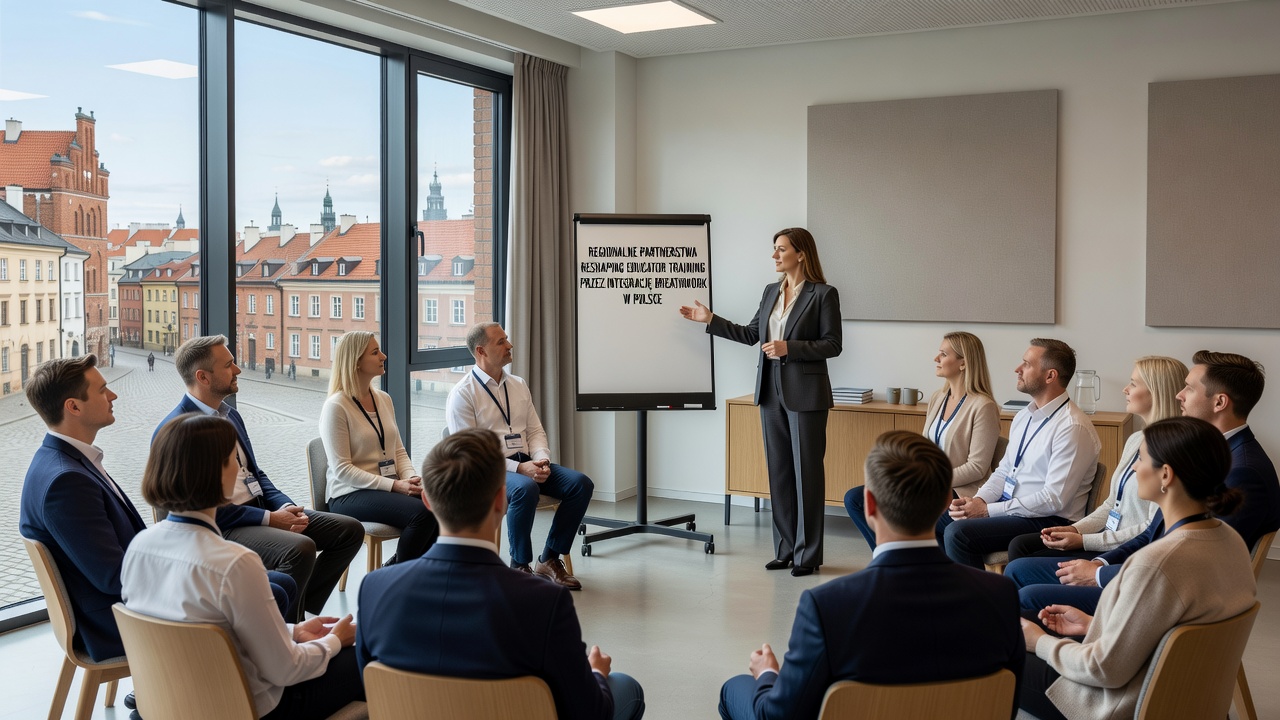
Additional support comes through monthly webinars hosted by partner universities, and these gatherings feature presentations on adaptations for students with attention difficulties. One program in the Lesser Poland region pairs novice educators with mentors who have two years of experience, and this pairing has produced documented increases in reported teacher confidence scores on standardized self-assessment instruments.
Developments Scheduled for October 2026
Plans for October 2026 include a national summit in Warsaw that will convene representatives from twelve regional networks to review longitudinal data collected over three years. Organizers expect presentations on standardized assessment tools measuring attention span and self-reported stress indicators, with preliminary figures compiled by the Institute of Psychology at the University of Warsaw scheduled for release during the event.
Funding allocated through the National Centre for Research and Development will support expansion into additional voivodeships, and partnership agreements signed earlier this year specify shared evaluation metrics that include classroom observation rubrics and student feedback forms. International observers from Australian teacher training institutes have been invited to compare approaches.
Conclusion
Regional partnerships continue to embed breathwork components into Polish educator preparation through coordinated training structures and shared evaluation frameworks. Ongoing data collection through 2026 will provide further insight into measurable classroom effects across participating districts.