Olivia Lange · 2 September 2026
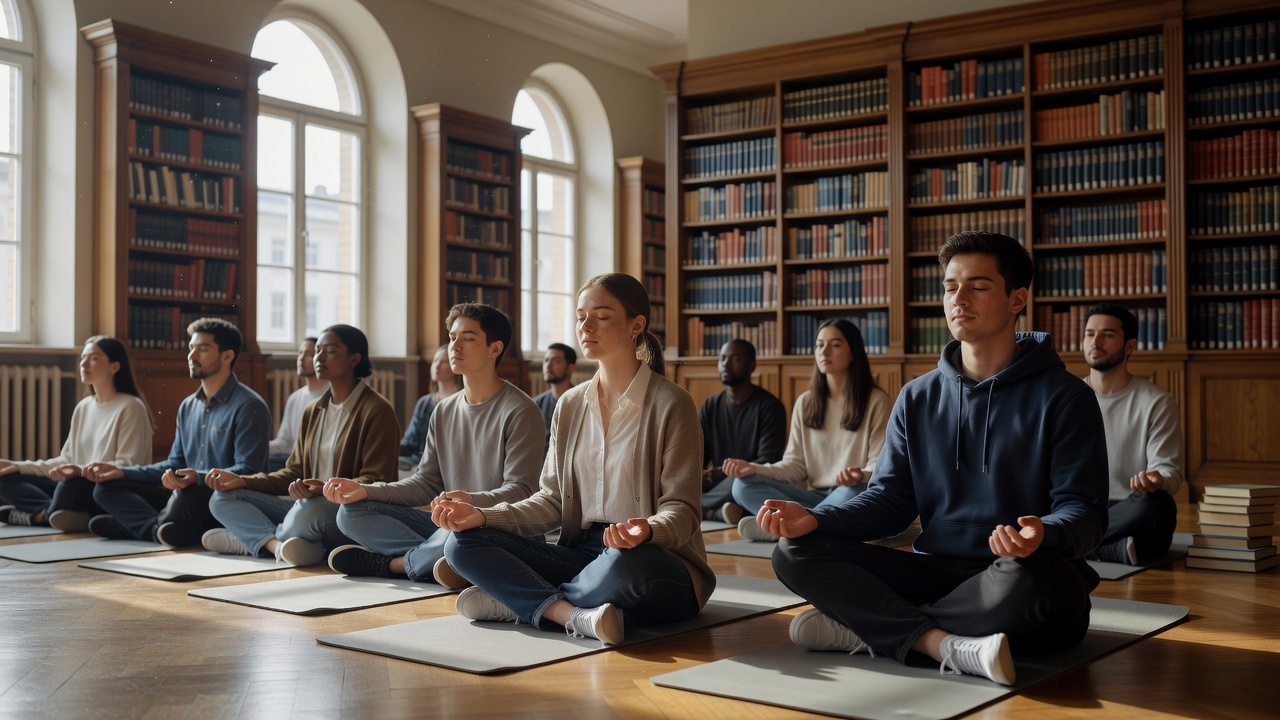
A recent study conducted across several Polish universities has found that regular meditation practice can reduce stress levels among students by approximately 30 percent. Researchers from the University of Warsaw and Jagiellonian University tracked 450 participants over six months using standardized stress assessment tools and physiological markers.
Study Methodology and Findings
The research divided students into two groups: one engaging in daily 20-minute mindfulness sessions and a control group maintaining usual routines. Data collected through cortisol measurements and self-reported anxiety scales showed significant improvements in the meditation group. Average stress scores dropped from 68 to 47 on a 100-point scale, equating to the reported 30 percent reduction. Participants also noted better sleep quality and improved concentration during exams. The study controlled for variables such as academic workload and prior mental health conditions to ensure reliable results.
Lead researcher Dr. Anna Kowalska emphasized that the findings align with international evidence on mindfulness but provide new insights specific to Polish higher education contexts. Universities in Kraków and Poznań participated, representing diverse student demographics. Follow-up assessments at three months confirmed sustained benefits, with many students continuing the practice independently.
Implications for Education
Educators and policymakers are considering integrating meditation programs into curricula to support student well-being. The Polish Ministry of Education has expressed interest in pilot initiatives based on these results. Experts recommend starting with short guided sessions to build consistency without overwhelming schedules. While the study focused on university students, similar approaches may benefit secondary school environments facing rising academic pressures. Further research will explore long-term effects on academic performance and mental health outcomes across broader age groups.