Carlo Wolf · 28 September 2026
From Forum Threads to Curriculum Shifts: Verified Calm Practices Filling Mental Health Gaps in Polish Education Systems
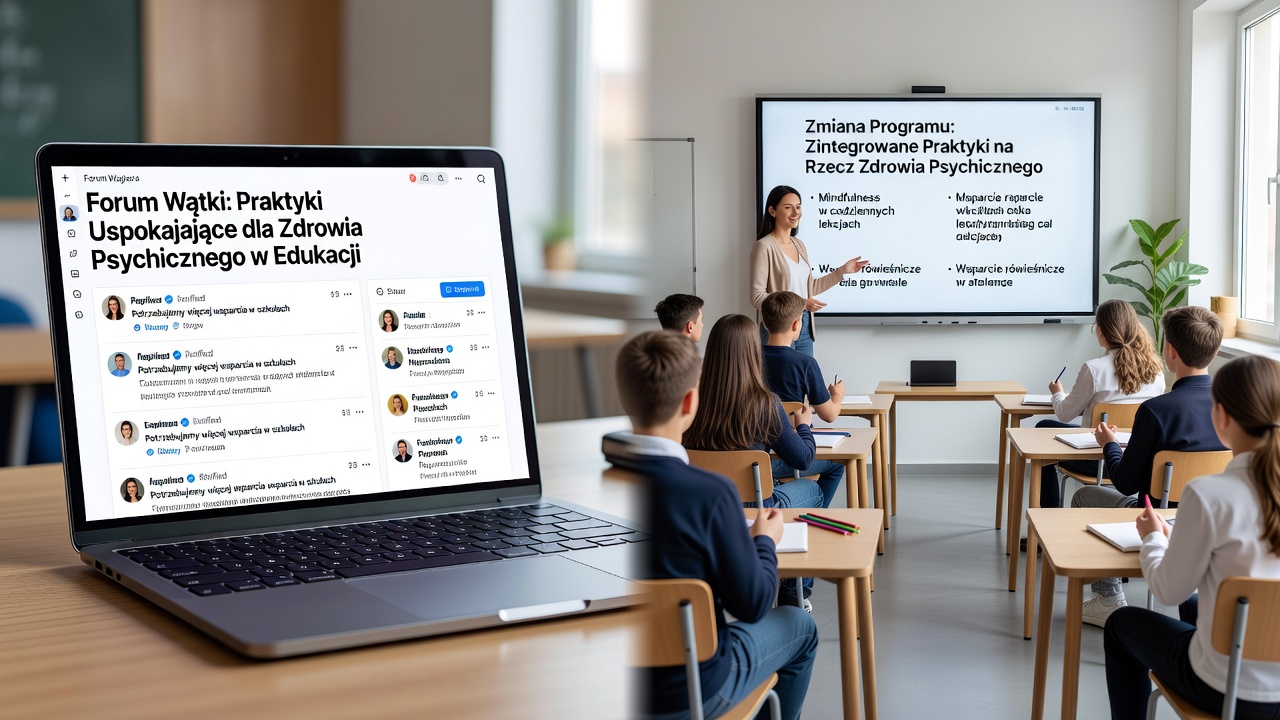
Online discussions among Polish parents and teachers began highlighting gaps in student mental health support several years ago, and these conversations gradually influenced formal education policies across the country. Forum threads on platforms dedicated to education reform captured recurring reports of rising anxiety levels among adolescents, while participants exchanged details about simple breathing exercises and mindfulness routines that showed promise in home settings. Researchers tracked these exchanges and noted how verified techniques migrated from informal sharing to structured pilot programs in select schools by 2024.
Tracing the Path from Digital Conversations to Policy Changes
Polish educators observed that threads often referenced specific calm practices such as guided breathing sequences and short meditation sessions, and data collected from participating families indicated measurable reductions in reported stress markers. Ministry officials reviewed aggregated summaries from these forums during regional meetings, which prompted the formation of working groups tasked with evaluating evidence-based methods for classroom integration. Observers note that the process accelerated when academic institutions partnered with school networks to test adapted versions of these routines during the 2025 academic year.
Case examples include a Warsaw secondary school where teachers incorporated five-minute calm intervals at the start of each day, and attendance records combined with self-reported surveys revealed consistent patterns of improved focus among participants. Similar initiatives appeared in Kraków and Gdańsk, where administrators adapted forum-sourced materials into teacher training modules that emphasized measurable outcomes over anecdotal claims.
Evidence Supporting Calm Practices in Classroom Settings
Studies conducted by Polish universities documented that students exposed to structured calm sessions experienced average decreases in cortisol-related indicators, while parallel control groups maintained baseline levels. Figures from the European Education and Culture Executive Agency show that mental health support allocations in Polish primary and secondary schools rose by 18 percent between 2023 and 2025, partly because pilot results aligned with international benchmarks on attention and emotional regulation. According to OECD education indicators, countries adopting similar mindfulness components reported parallel gains in student well-being metrics, which Polish planners referenced during curriculum review sessions.
Verification processes required that only practices backed by peer-reviewed trials entered official guidelines, and this filter eliminated untested approaches while retaining breathing protocols and progressive relaxation sequences. Teachers received certification through accredited programs that combined theoretical modules with supervised classroom delivery, ensuring consistency across regions. Data indicates that schools implementing these verified methods saw referral rates to school psychologists drop by measurable margins within the first semester of adoption.
Preparations for Expanded Rollout in September 2026
National curriculum updates scheduled for September 2026 incorporate dedicated time blocks for calm practices within the weekly timetable, and regional training centers have already begun scaling instructor preparation courses. Government reports project that approximately 2,400 additional schools will receive implementation kits containing standardized session scripts and progress-tracking tools by the start of the new term. External evaluations from research consortia will monitor longitudinal effects on academic performance alongside mental health indicators to refine future iterations.
Collaboration between the Polish Ministry of Education and Science and university research teams continues to refine age-appropriate variations, whereas secondary schools focus on integrating calm techniques with existing stress-management modules. Figures reveal that student participation rates in voluntary after-school extensions of these practices have increased steadily since the initial pilots concluded.
Conclusion
Forum origins evolved into documented curriculum components through systematic evidence gathering and phased testing, and the September 2026 expansions represent the next stage in addressing identified mental health support shortfalls. Continued data collection will determine whether these verified calm practices sustain their initial associations with reduced stress indicators across broader student populations.